
The Secret Lives of Gut Plasmids: Nomads, Not Always active settlers?
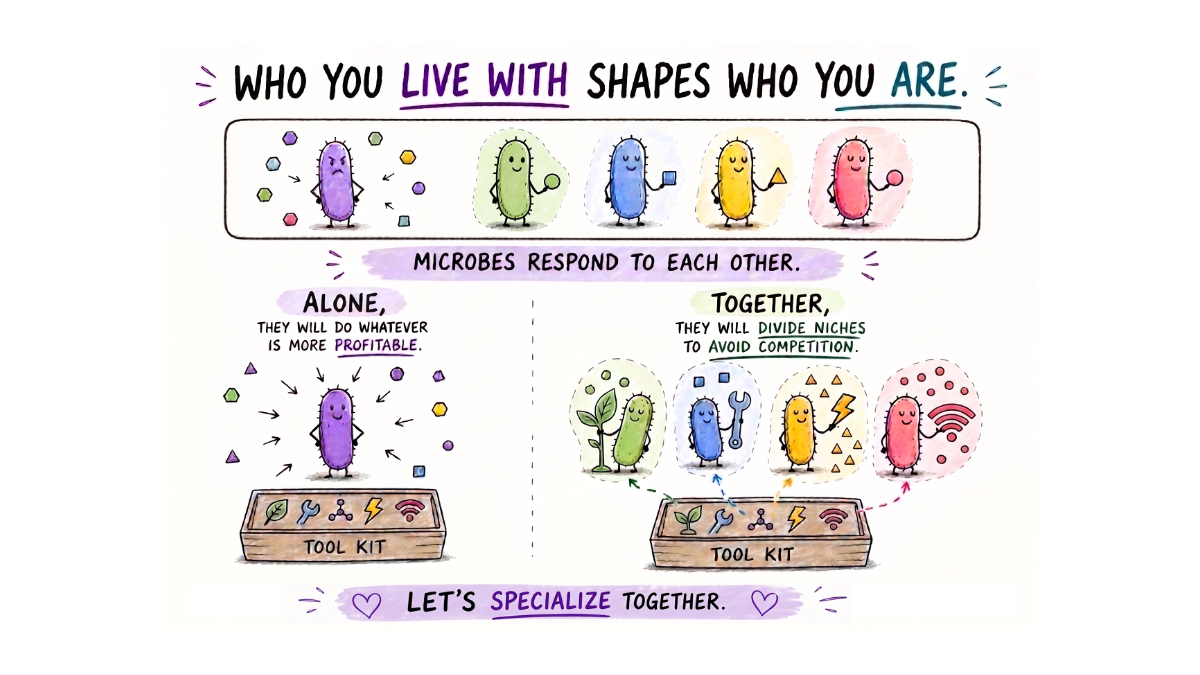
Deep within the human gut, a dynamic world of bacteria thrives, constantly evolving. Central to this evolution are plasmids: small DNA molecules that bacteria can exchange, acting like shareable toolkits carrying genes for functions like antibiotic resistance or unique survival abilities. The common view has often been that these plasmids spread primarily when they offer a distinct, immediate advantage to their bacterial hosts. But our latest research reveals a more complex picture, one where much of their dispersal / spread is random, yet profoundly shaped by specific conditions and a fascinating genetic mixing process.
Our publication in Nature Communications explores the journeys of over 11,000 plasmids from nearly 3,500 human gut microbiomes, spanning different continents and health conditions. What we discovered offers fresh insights into these powerful genetic elements and how they move.
A Surprising Discovery: Plasmids on a Random Walk
A key finding is that, for the most part, plasmids in the human gut seem to spread in a stochastic, or random, manner. Imagine these genetic toolkits drifting through the microbial community, their distribution largely governed by neutral processes rather than a constant, intense pressure for specific functions. This suggests many plasmids are like neutral travelers, maintaining their presence not always because they’re actively engaged in a specific task, but because they are efficiently passed along or are good at moving between bacteria. Plasmids equipped with their own “mobilization” machinery, making them adept at transferring between hosts, particularly showed this tendency for more neutral, random dispersal.

The Plot Twist: Inflammation and the Power of Recombination
However, this random journey takes a sharp turn when inflammatory diseases like Inflammatory Bowel Disease (IBD) or Glucose-metabolism Related Diseases (GRD) come into play. In these conditions, the gut environment changes dramatically, and strong selective forces begin to direct the fate of plasmid-borne genes.
Here, the story becomes more intricate. We found that specific plasmid segments—effectively individual ‘tools’ or gene cassettes from those larger genetic toolkits—become significantly more common than you’d expect by chance alone. This isn’t always about a whole new plasmid moving in. Instead, through a crucial process called recombination, bacteria can actively swap these specific, beneficial DNA segments between different plasmids. Think of it as bacteria ‘cutting and pasting’ the most useful genetic codes they encounter, customizing their existing plasmids or incorporating valuable parts from others. This genetic mixing allows for rapid adaptation, and the inflamed gut environment acts like a powerful magnet, specifically selecting for bacteria that have acquired these advantageous segments through recombination. Only about 20-25% of plasmid DNA showed clear signs of this active selection in various disease states, indicating that while neutrality is common, disease can impose very specific constraints.
For instance, in individuals with IBD, plasmid segments carrying genes for iron transport are frequently shared, even across different continents. Iron is a critical, often contested resource in the inflamed gut, and these genes offer a competitive advantage. Similarly, genes for beta-lactam antibiotic resistance were also found to be actively selected for, particularly within IBD and GRD groups.

Why Should You Care?
Understanding this dual nature of plasmid dynamics—often random, yet powerfully shaped by disease and recombination—is a significant step forward. It tells us that the spread of important traits, including critical ones like antibiotic resistance, isn’t always about entire plasmids moving wholesale from one bacterium to another.
Often, it’s specific plasmid segments that are the key players, and recombination is the engine driving their mobility. Through this ‘cut and paste’ mechanism, bacteria can precisely acquire and share the genetic tools most needed to survive and thrive in particular environments, such as an inflamed gut. This ability to mix and match useful genetic code explains how beneficial traits can become widespread, especially when selection pressures are high. The observation that this sharing of specifically selected segments can span continents underscores how profoundly diseases like IBD and GRD can shape our collective gut microbiome, driving the dissemination of ecologically important functions.
New Perspectives on Gut Health and Evolution
Our findings challenge the view that plasmids are found where there is a selection for them to be maintained and stalled. Instead, we see a more of a nomadic lifestyle where random dispersal is a baseline, but this can be dramatically reshaped by the host’s health status, with plasmid recombination acting as a key facilitator for bacteria to adapt by sharing specific genetic advantages.
This deeper understanding opens up new avenues for exploring how microbial communities in our gut evolve and respond to change. It could inform future strategies for managing gut health, for tackling the ever-growing challenge of antibiotic resistance by understanding its varied dispersal mechanisms, and for shedding more light on the “plasmid paradox”—how these genetic elements persist so successfully within bacterial populations.
The genetic landscape of your gut is a place of constant exchange and adaptation, driven by a fascinating interplay of chance, selection, and the remarkable ability of bacteria to share and recombine the very blueprints of life.