The Story Behind
Seeing the Unseen
Seeing the Unseen is the result of that shared effort, a meeting between rigorous scientific thought and creative interpretation, grounded in the vision of the Mizrahi Lab and brought to life through artistic collaboration. The exhibition began with a conversation. Professor Daniel Chamovitz, President of Ben-Gurion University, contacted Professor Itzhak Mizrahi to share that Dr. Ronit Milano from the Department of the Arts at Ben-Gurion University was interested in initiating a science–art collaboration, and that the university (he) would be willing to support the initiative. The idea immediately resonated. For Professor Mizrahi and his group, whose daily work explores the invisible foundations of life, the possibility of translating microbial ecology into artistic language felt natural.
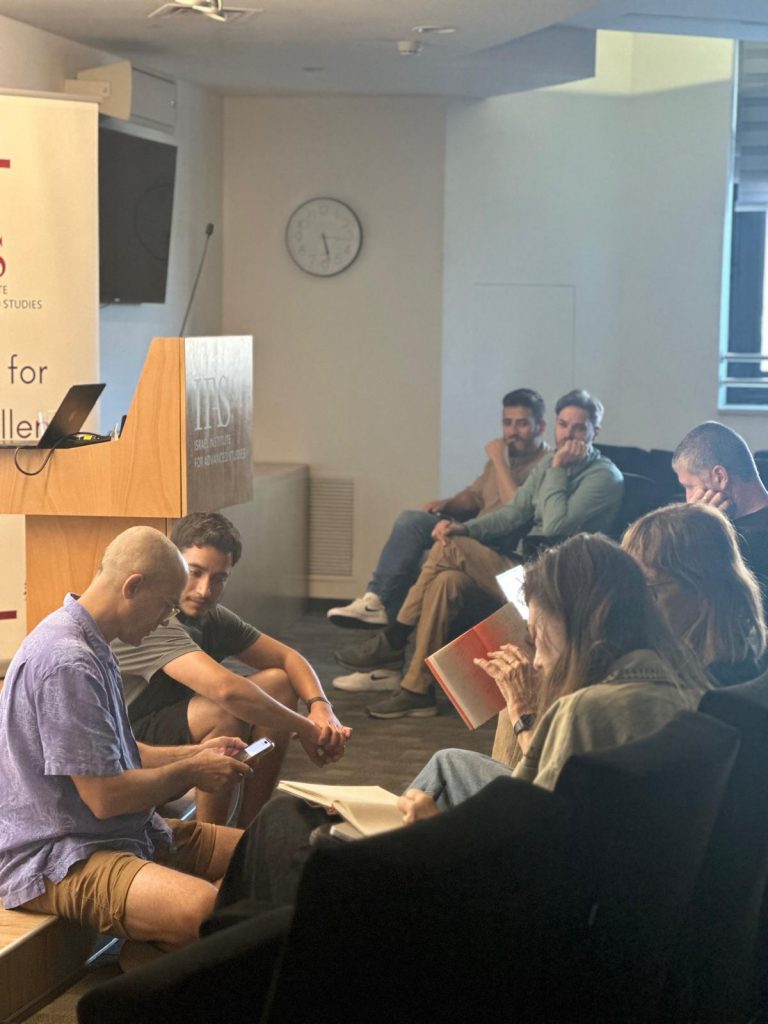
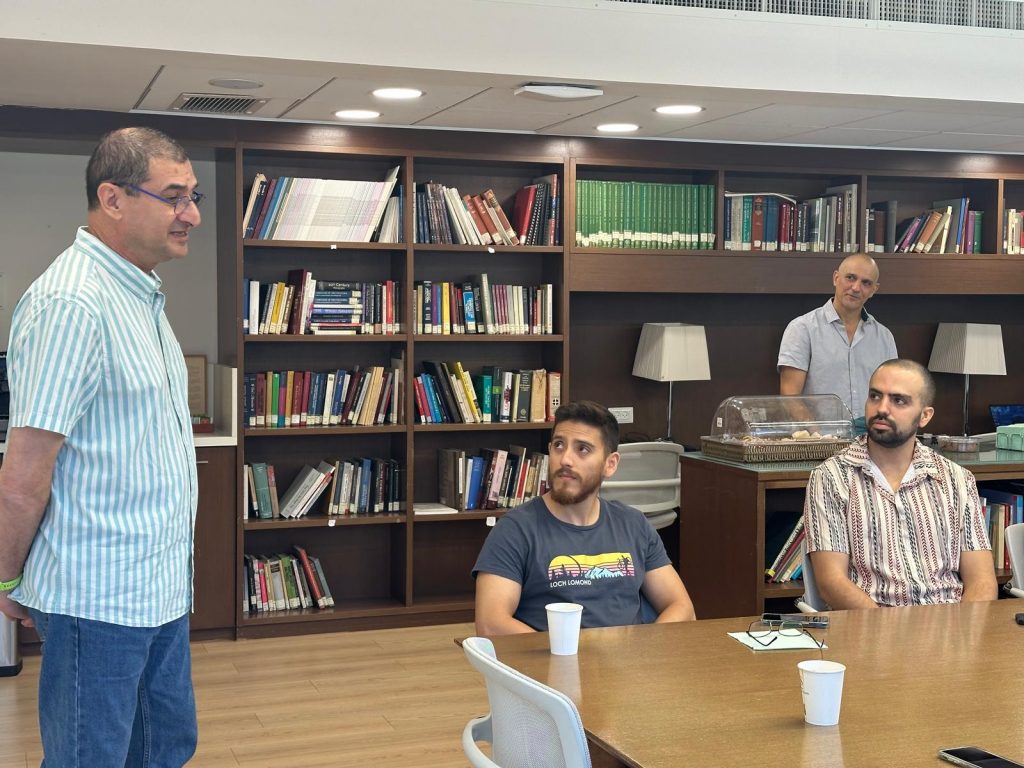
Soon after, Dr. Milano visited the Mizrahi Lab and spoke at a group meeting about the dialogue between art and science and the role of museums in shaping public imagination. That meeting opened the door to a deeper exploration. Through this evolving process, curator Maya Dvash joined the project, visiting the lab and engaging directly with its scientific research. She later introduced artists Tamara Efrat and Shaul Cohen, forming the creative core of the collaboration.
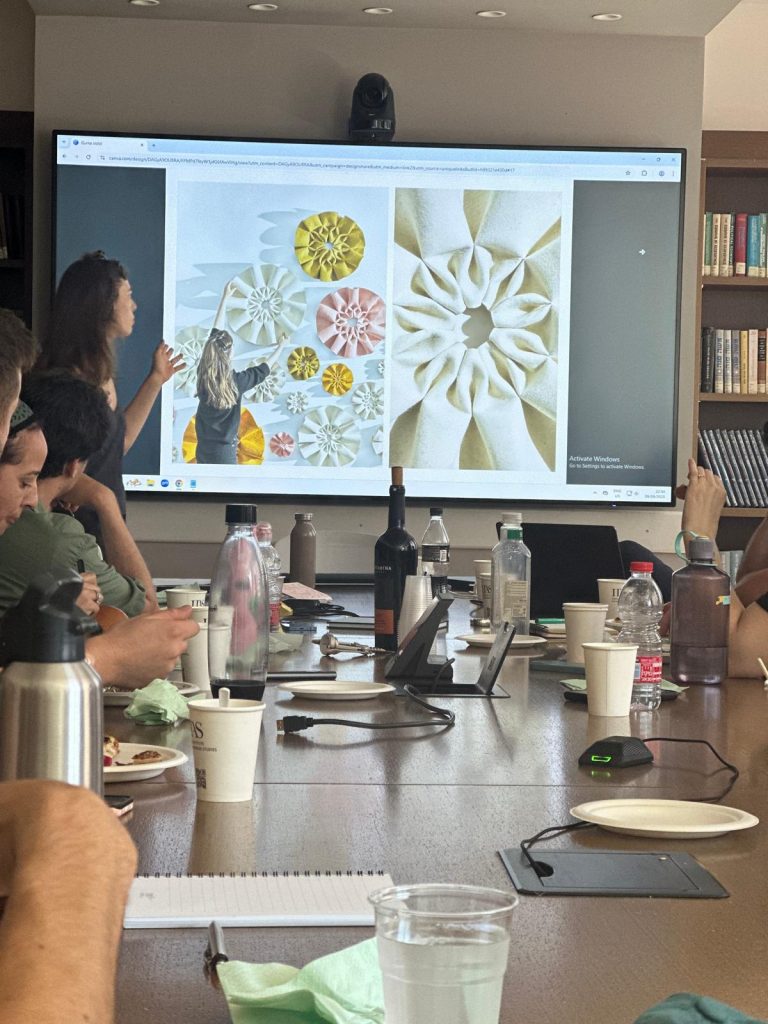
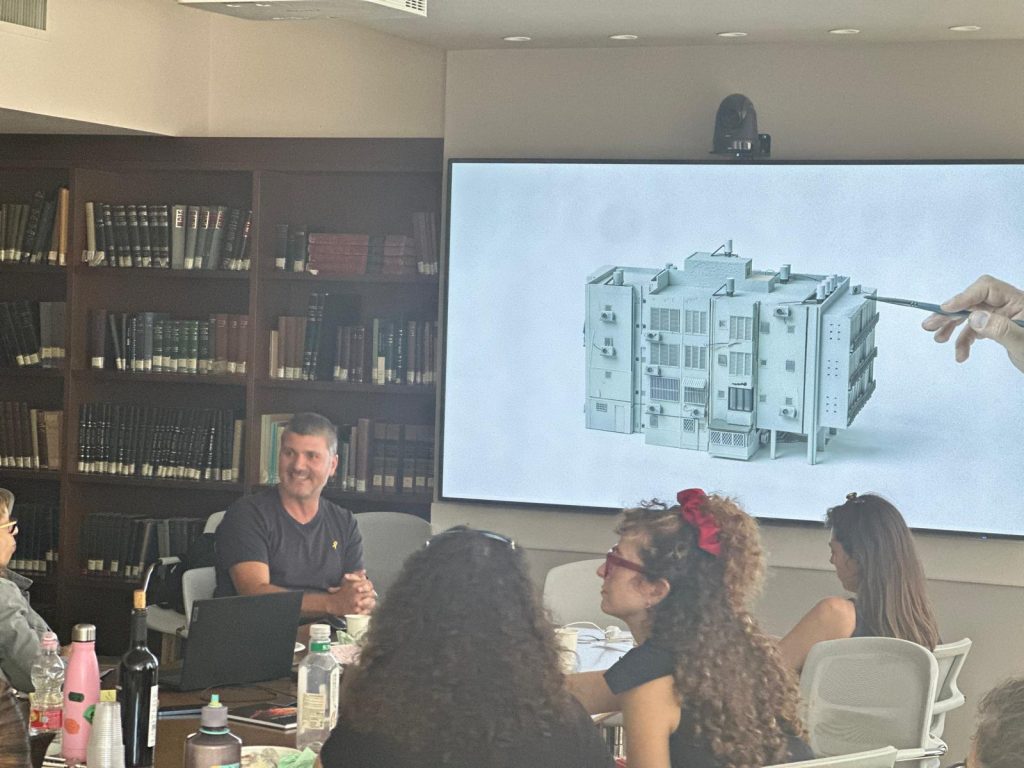
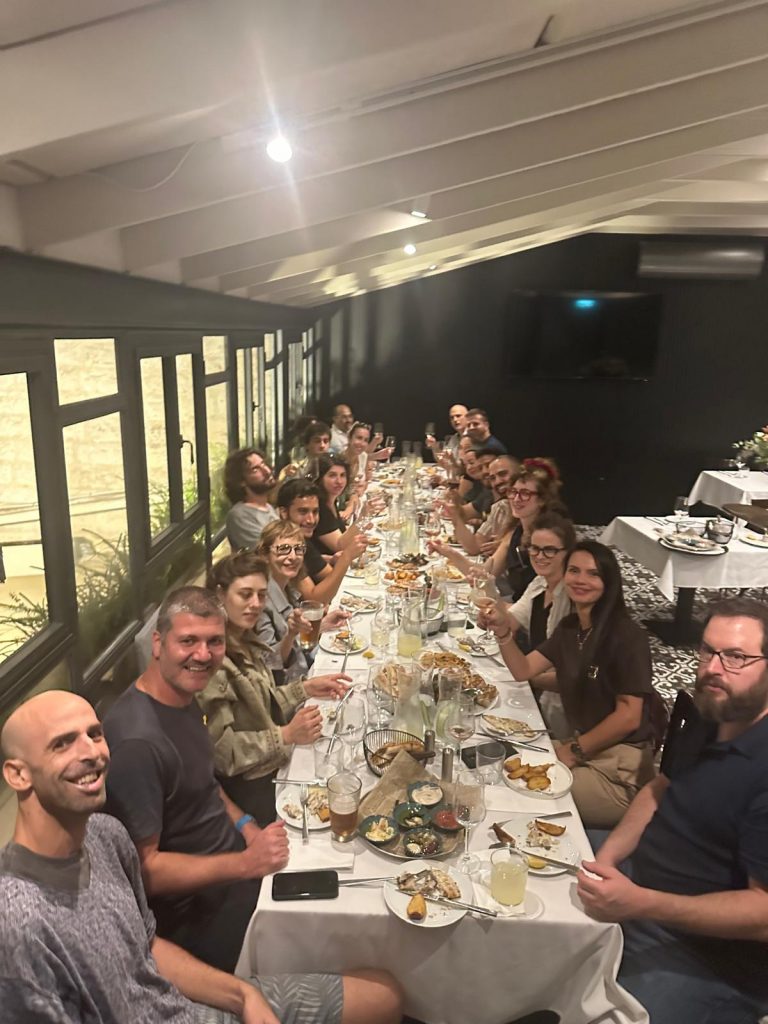
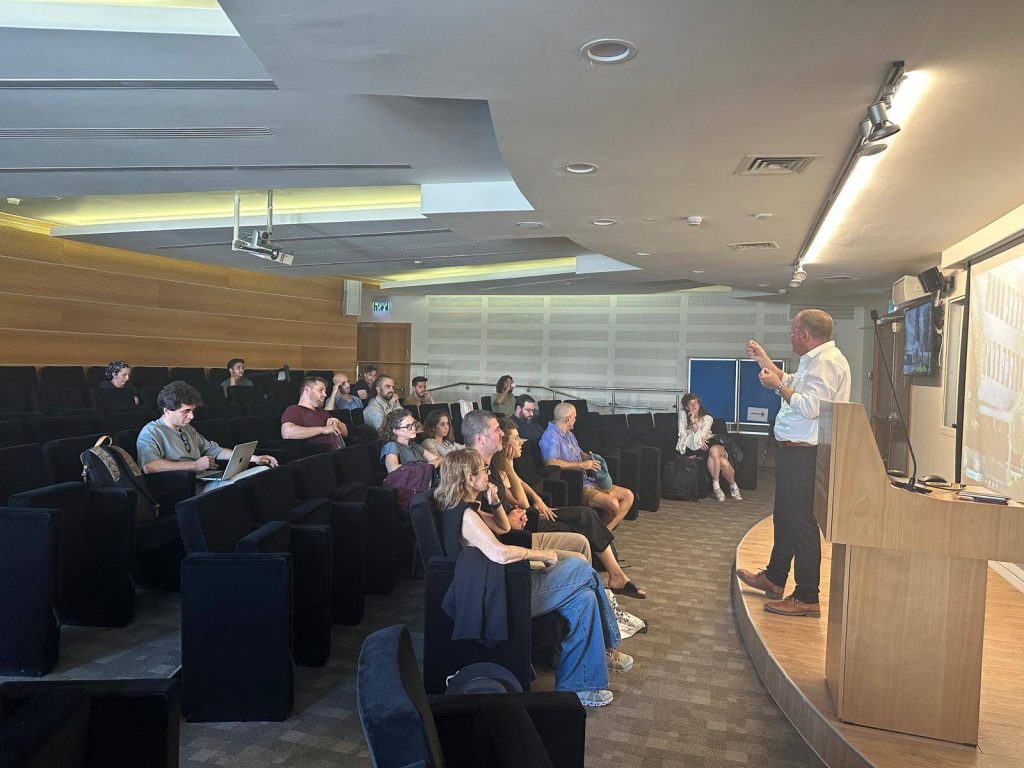
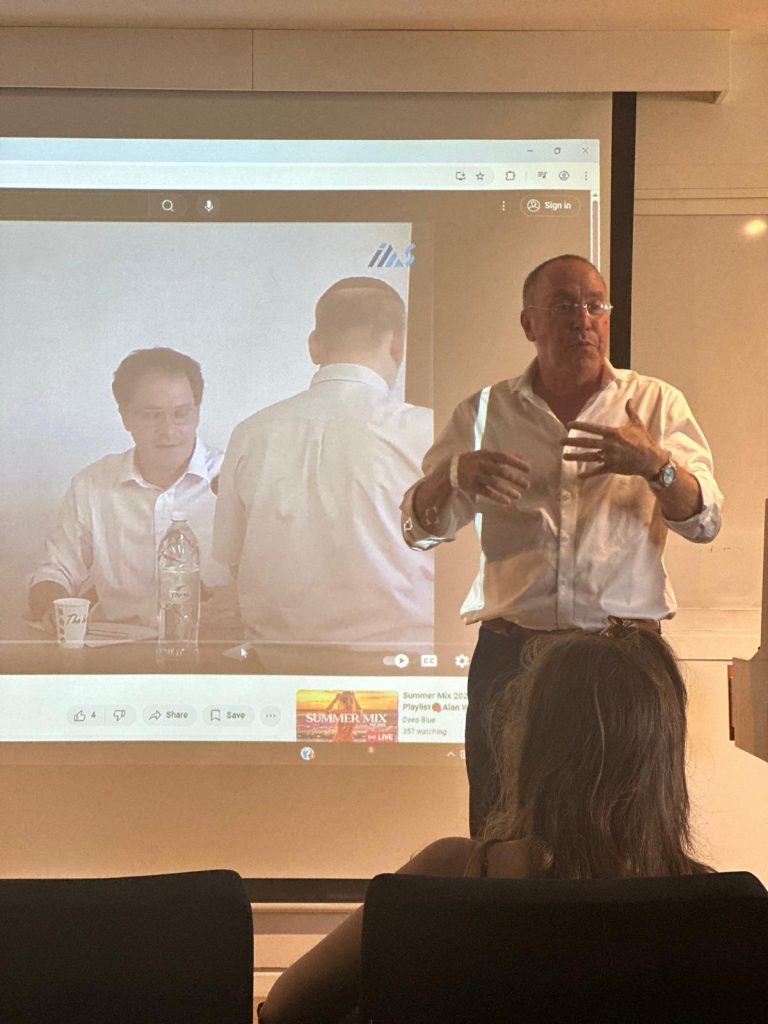
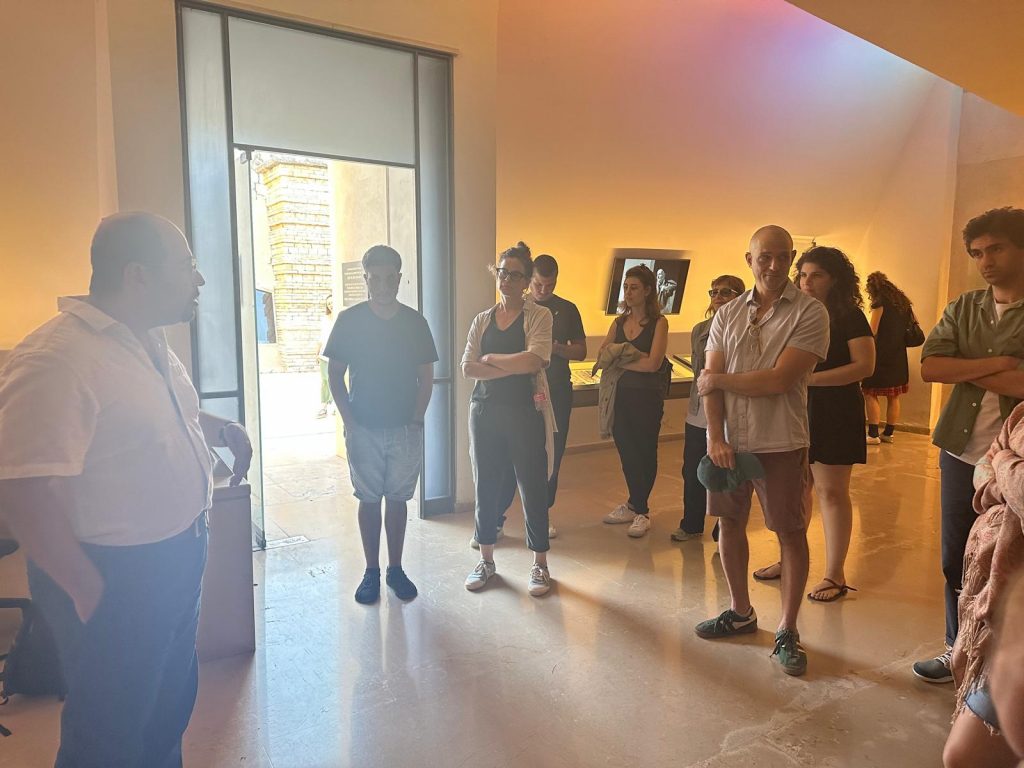
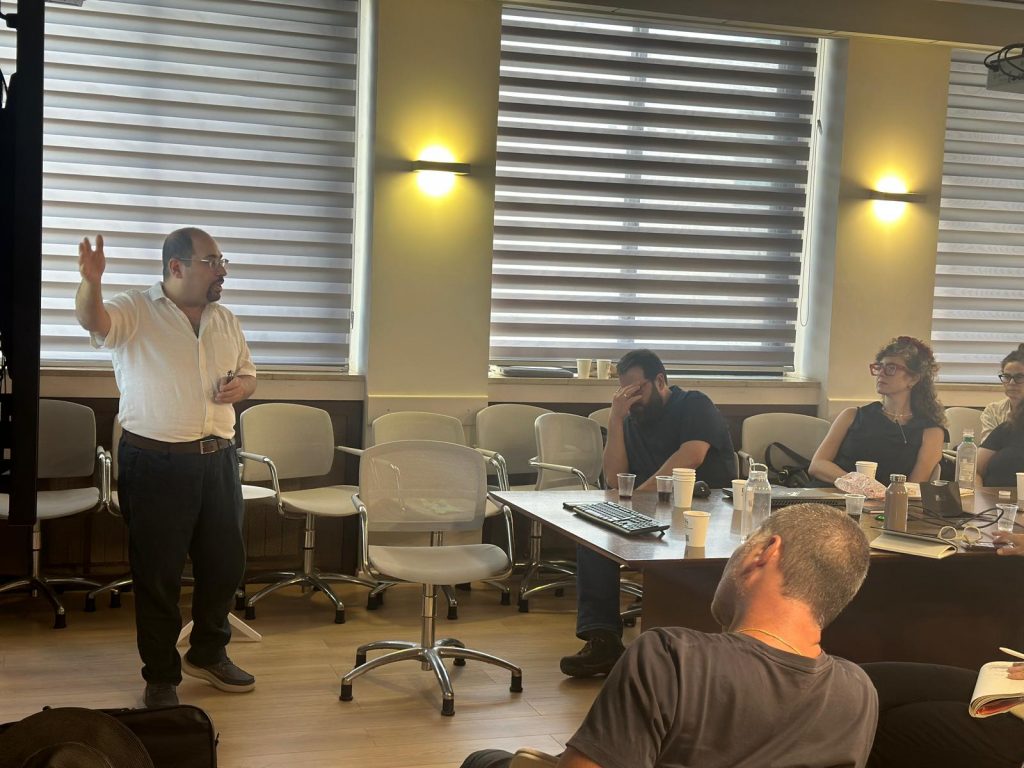
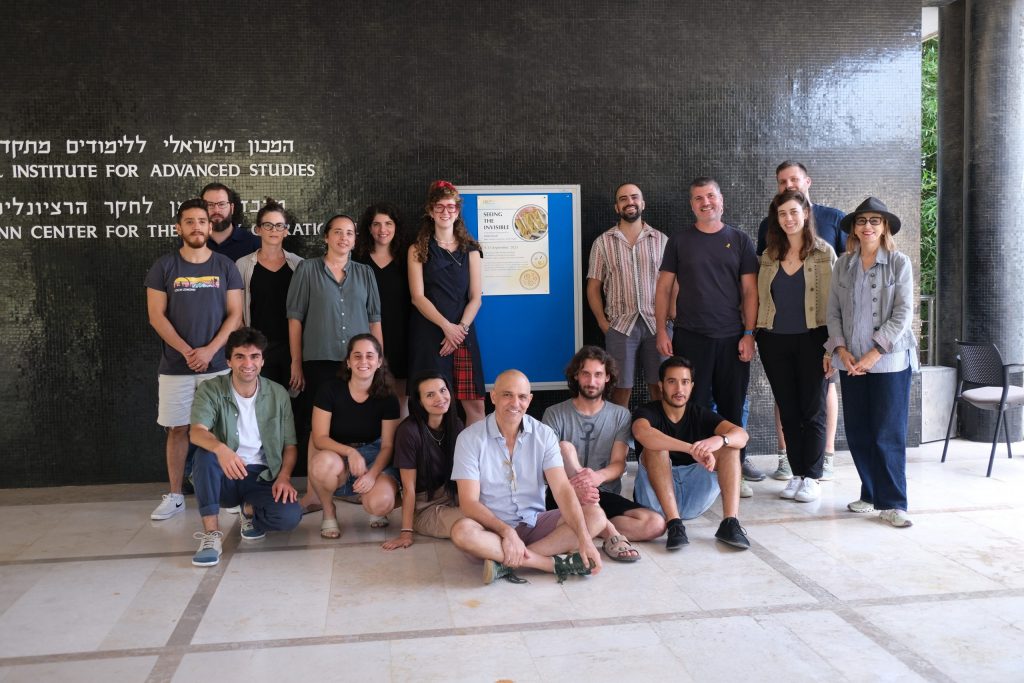
A pivotal moment came when Professor Mizrahi initiated a dedicated workshop for the exhibition at the Israel Institute for Advanced Studies (IIAS), where he is a Bruno Prize laureate. The institute welcomed the group warmly, thanks to the generous support of Professor Yitzhak Hen, Iris Avivi, Anat Yagil, and their dedicated team. The gathering included stimulating lectures and discussions with Professor Noam Mizrahi (Hebrew University), Professor Itzik Het, and Professor Yaakov-Akiva Mascetti (Bar-Ilan University), alongside visits to museum spaces that helped situate the exhibition within a broader cultural context.
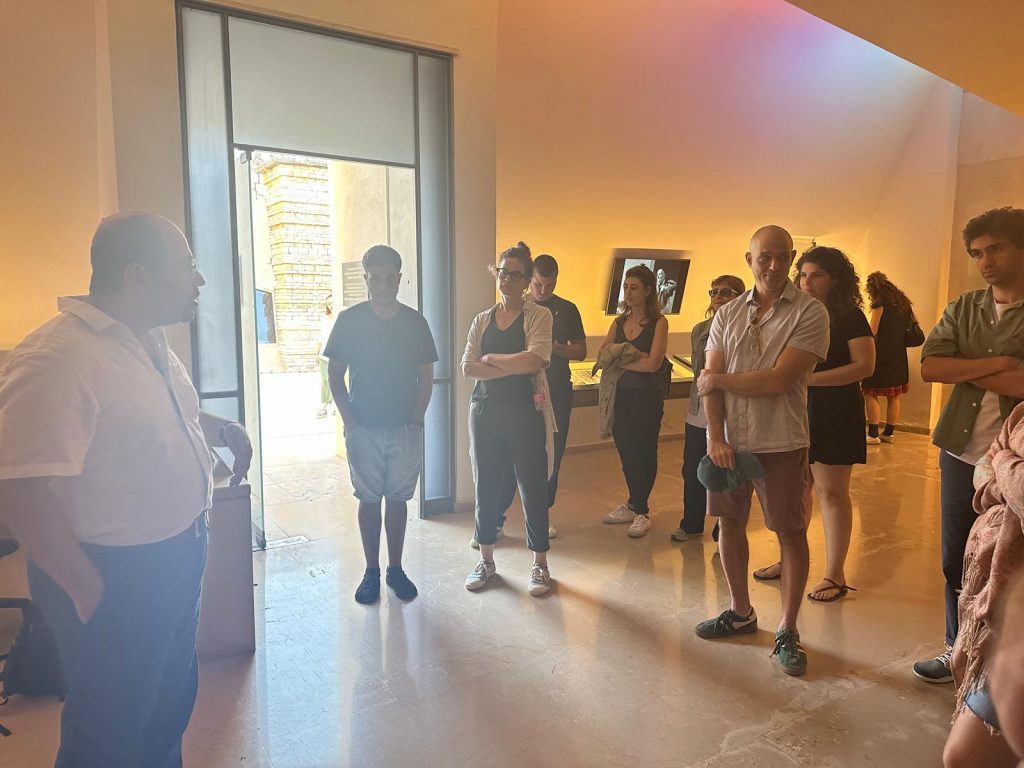
Professor Chamovitz further supported the initiative by visiting the workshop retreat, where he shared the university’s broader perspective on the importance of cross-disciplinary dialogue between science, art, and society. His presence reinforced the significance of the collaboration and its role within the university’s wider cultural and academic mission.
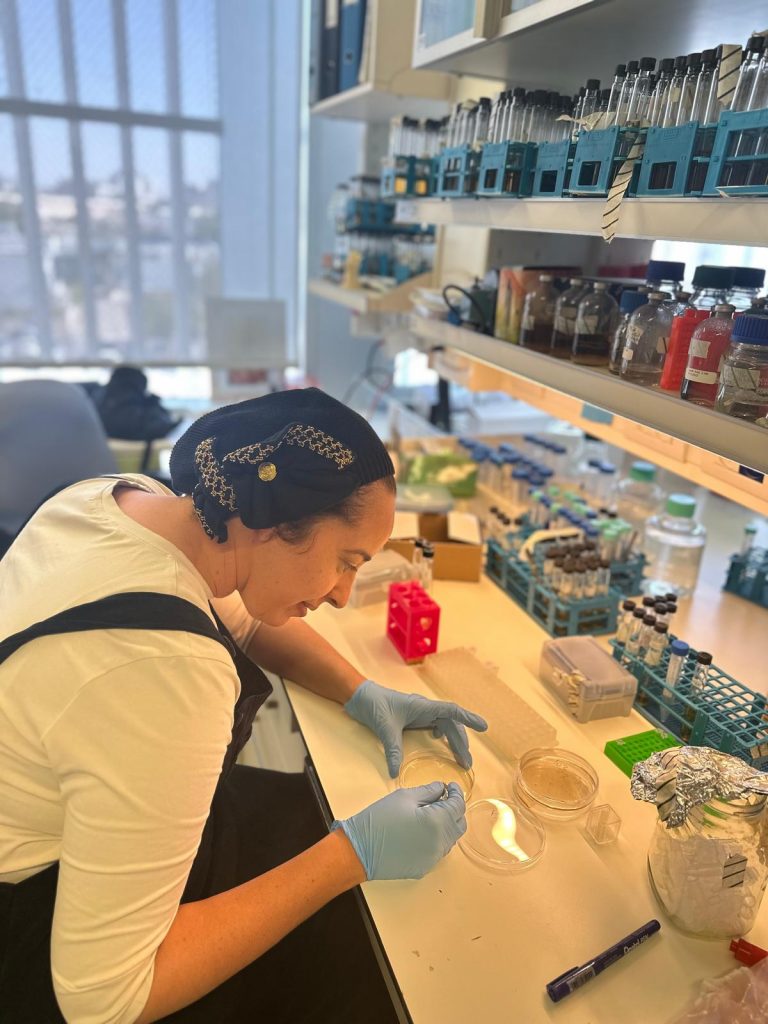
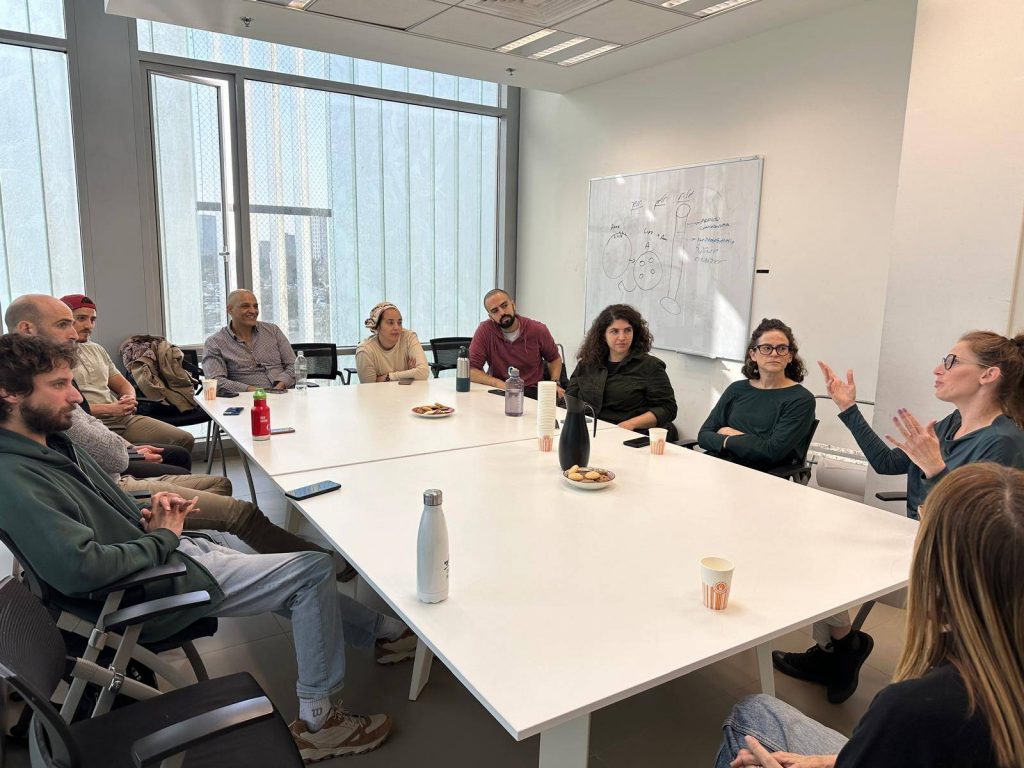
The heart of the exhibition was shaped during intensive working sessions between Maya Dvash, Tamara Efrat, Shaul Cohen, and the Mizrahi Lab. The scientific concepts rooted in microbial ecology, community assembly, chemical landscapes, and the cycles of life were developed within the lab and gradually translated, through dialogue, into artistic form. Students and researchers opened their experimental systems, shared data and imagery, and worked closely with the artists to transform abstract ecological principles into tangible visual experiences. From initial ideas to final installations, the process was one of sustained collaboration. Artists and scientists worked side by side, converting complex biological concepts and even simple experimental systems into exhibits that communicate both knowledge and wonder.