
Metaproteomics in the Service of Microbial Ecology Workshop at BGU

26-28.01.2026 at Ben Gurion University
Join us for the Metaproteomics in the Service of Microbial Ecology workshop at Ben-Gurion University. The workshop brings together invited research talks and hands-on teaching sessions, guiding participants from metaproteomics fundamentals through instrument understanding and data analysis, and highlighting how metaproteomics is applied to address key questions in microbial ecology.
Speakers
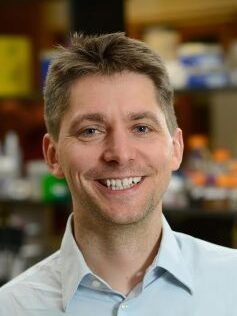
Dr. Manuel Kleiner
North Carolina State University
Microbiomes and microbial symbioses in diverse systems.
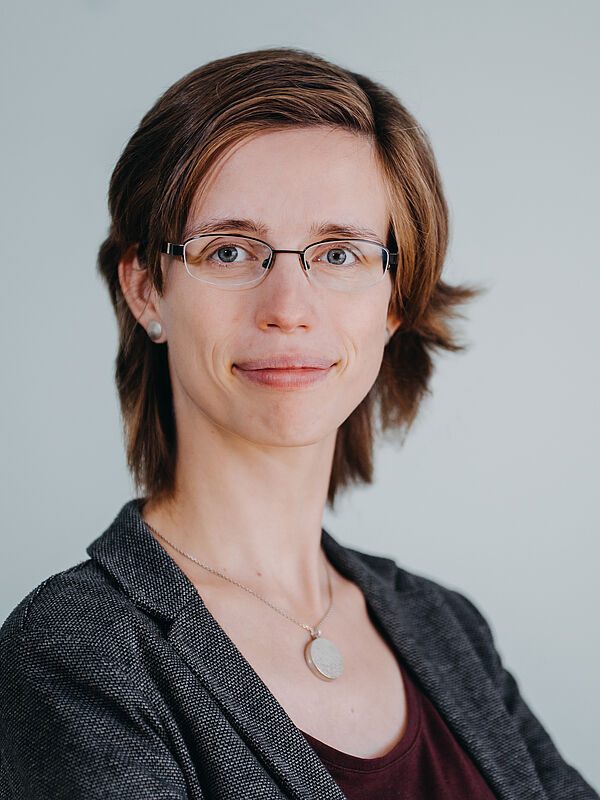
Dr. Tjorven Hinzke
University of Greifswald
Institute of Microbiology, Center for Functional Genomics of Microbes, University of Greifswald, partner of the Greifswald Mire Centre, Greifswald, Germany
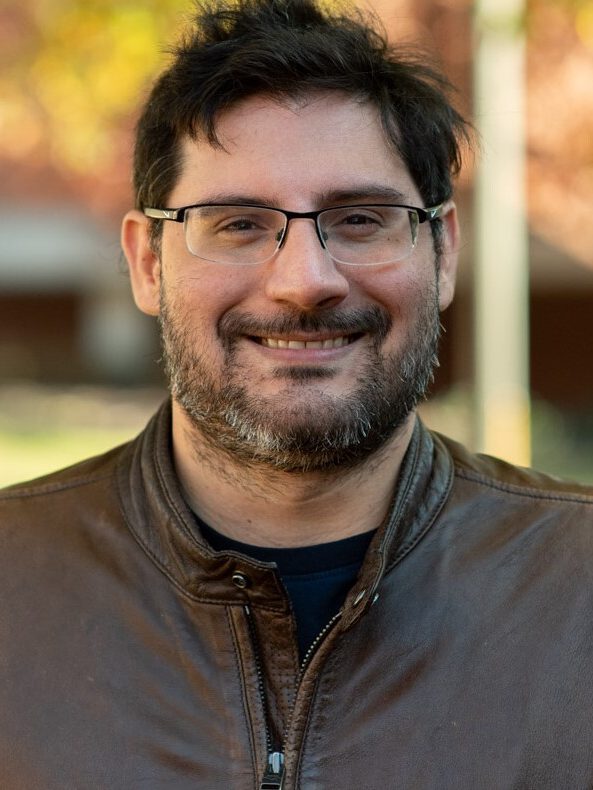
Dr. Alfredo Blakeley-Ruiz
North Carolina State University
Genome science, analytical chemistry, and microbiology to understand gut microbiota function. Metaproteomics to analyze the specific metabolic function of microbial communities.
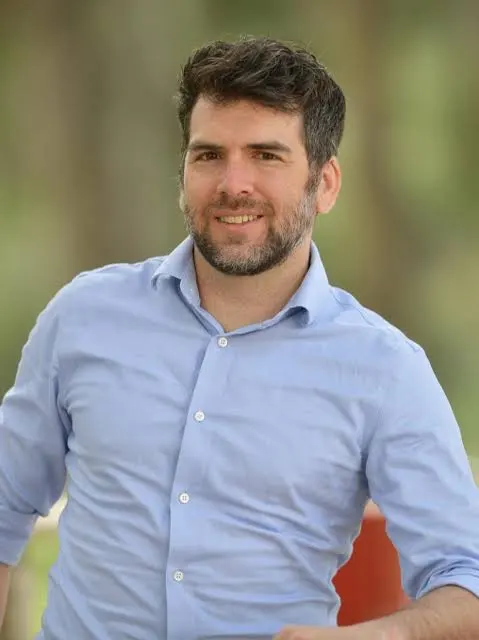
Dr. Omri Finkel
The Hebrew University of Jerusalem
Empirically modeling plant microbiome assembly and dynamics, Plant microbiome deconstruction and optimization, Desert plant and soil metagenomics.

Dr. Itzhak Mizrahi
Ben Gurion University of the Negev
Microbial community assembly and evolution.
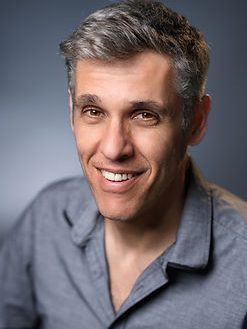
Dr. Michael M. Meijler
Ben-Gurion University
Chemical Biology, Bioorganic Synthesis,
Quorum Sensing, Bacterial-Eukaryotic Communication,
Molecular Basis of Pathogenesis.
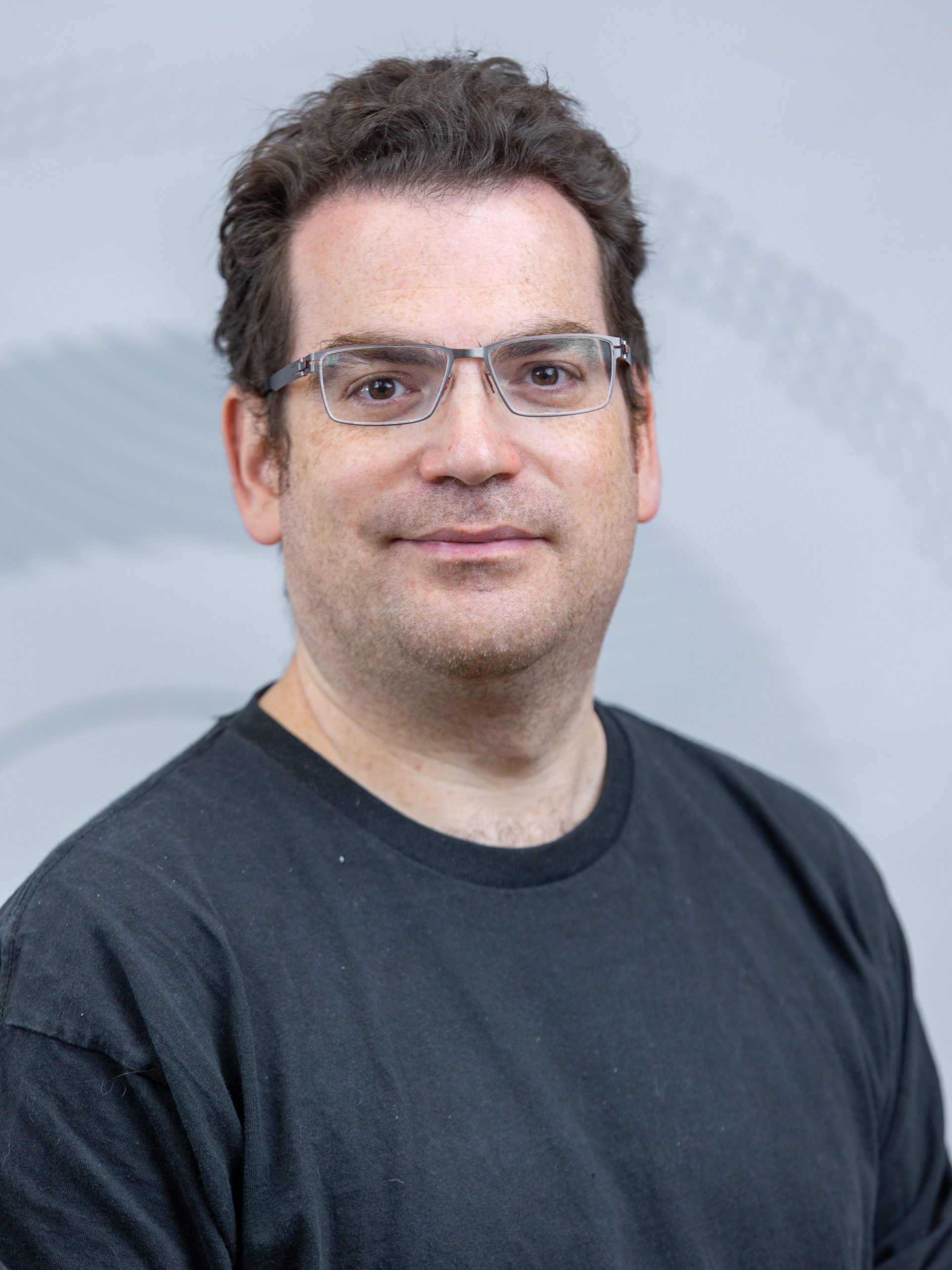
Dr. Lior Lobel
Bar-Ilan University
Profile post-translational modifications in gut bacteria and study their effects on bacterial activity and host health. Study the proteome of gut bacteria in relation to dietary changes and diseases. Characterize the effects of bacteria on modulating host colon epithelial cells proteome.
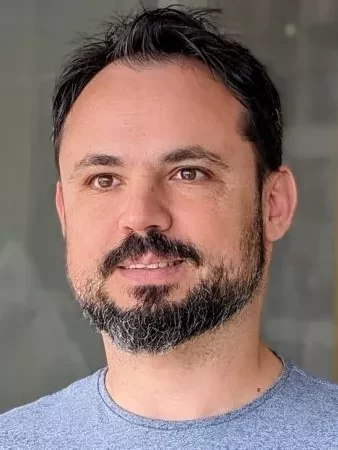
Dr. Maxim Rubin-Blum
University of Haifa
Molecular ecophysiology and biogeochemistry in extreme aquatic habitats, focusing on deep-sea hydrocarbon seeps
Dr. Dan Bar Yaacov
Ben-Gurion University
Bacterial RNA editing
What Should We Expect?
Metaproteomics enables direct linkage between microbial community composition and realized function, allowing researchers to move beyond genetic potential and quantify which metabolic processes are actively operating in complex ecosystems.
In this workshop, we will explore how metaproteomics is being used by different research groups to address key questions in microbial ecology, while in parallel building a deep understanding of the principles, methods, and practical considerations of the field. Participants will gain hands-on experience in data analysis and have the opportunity to consult directly with leading researchers working at the forefront of metaproteomics.
The tutorial lectures and hands-on analysis sessions will be led by Dr. Manuel Kleiner, Assistant Professor at North Carolina State University and a leading expert in metaproteomics. Dr. Kleiner’s research is at the forefront of microbial ecology, where he develops and applies high-resolution, quantitative metaproteomic approaches, including protein-based stable isotope probing (Protein-SIP), to link microbial identity, activity, and growth in complex communities. His work spans diverse systems, from host–microbiome interactions to environmental microbiology, and has been instrumental in advancing the quantitative interpretation of community-level proteomic data.
Each day of the workshop will open with invited talks by leading scientists showcasing how metaproteomics is being used to address fundamental questions in microbial ecology. These will be followed by a series of general lectures introducing core concepts in metaproteomics, taking participants from basic principles through more advanced experimental design and data analysis strategies. The afternoons will be largely devoted to hands-on data analysis and focused consultation sessions led by Manuel Kleiner, a world expert in metaproteomics, whose work has been instrumental in developing quantitative, genome-resolved metaproteomic approaches for studying microbial communities across diverse environments.
Meta-Proteomics
- Why We Need It & How to Use It
- A Deep Dive into Metaproteomics Analysis
- Standard Proteomics Through Cutting-Edge Protein-SIP
- From Sample Prep to DDA/DIA Interpretation
Practice
- Metaproteomics Quantification and Processing
- Modern Proteomics Technologies
- Live Demonstrations
Schedule
Coffee and Registration
Introduction
Metaproteomics reveals functional adaptation and biotic interactions in deep-sea chemosynthetic communities- Dr. Maxim Rubin-Blum
In the dark, deep sea, chemistry rather than photosynthesis fuels life. At methane- and hydrocarbon-rich seeps, microbes form tightly connected communities and symbioses that transform reduced compounds, recycle organic matter, and sustain productive food webs. My work integrates genome-resolved metagenomics with in situ metatranscriptomics and metaproteomics to move beyond “who is there” toward “what they are actually doing.” The proteomic perspective reveals metabolic division of labor and handoffs between partners: chemosynthetic microbes fix carbon and oxidize reduced substrates, while others process and remodel organic molecules, synthesize vitamins, and recycle necromass. Across systems, we find unexpected metabolic flexibility, with microbes that can switch among energy sources or retain latent capacities that may become active under changing conditions, supporting adaptation to fluctuating chemical regimes. We observe coordinated activity of methane oxidizers, sulfur cyclers, and fermenters at the ecosystem scale. Together, these findings show how metaproteomics uncovers the hidden biochemical networks that sustain productivity, cooperation, and adaptation in the deep ocean.
Metaproteomics 101 Part 1- Prof. Manuel Kleiner
Why metaproteomics? What questions can we address? Technological evolution/progress in last decade. Overview of the whole workflow, highlight steps that we will discuss. Sampling, sample preservation and sample preparation, give overview of method. Basics of experimental design apply as always.
Coffee Break
Metaproteomics 101 Part 2- Prof. Manuel Kleiner
Basics of mass spectrometry and Shotgun proteomics. Liquid Chromatography and ESI, Main instrument types, Data acquisition strategies (DDA, DIA, targeted PRM, Hybrid), advantages and disadvantages.
Databases and data processing – Prof. Manuel Kleiner
Regular searching, spectral library search for DIA, and de novo sequencing. Look at actual spectra. Considerations for database construction. Warnings about reference databases and multi-step searching and about peptide centric work. Showcase of other softwares for data base searching.
Lunch
Hands on: Instrument Visit- Prof. Manuel Kleiner
Show the different components of a proteomics grade LC-MS/MS system
Coffee Break
Hands On: DDA data processing and analysis with Proteome Discoverer- Prof. Manuel Kleiner
Demonstrate setting up of a search, show analysis results and how to read them, then provide files for them to play with
MetaPTMomics- How Dietary Fiber Modulates Gut Microbial Lysine Acetylation- Dr. Lior Lobel
Dietary fiber is fermented by gut bacteria, producing short-chain fatty acids (SCFAs), which have been linked to multiple host diseases and phenotypes. However, the molecular mechanisms remain elusive. While SCFAs are thought to signal via G-protein-coupled receptors (GPCRs) or by inhibition of histone deacetylases, we study lysine acetylation as a novel gut microbiome-related mechanism. The most abundant SCFA in the gut is acetate, whose levels alter the concentrations of the bacterial acetyl-group donor acetyl-phosphate. Our data show that dietary fiber modulates gut acetate levels and bacterial protein acetylation, affecting multiple metabolic pathways and protein functions. Our next step is to study this interaction in a disease model of diet-microbe-host interactions. The goal of this lecture will be not only to present cutting-edge research, but also to put the spotlight on MetaPTMomics- the study of post-translational modifications in the microbiome.
Conserved bacterial antagonism towards algae and plants- Dr. Omri Finkel
Plants associate with diverse soil bacteria, some of which subtly inhibit growth without causing visible disease symptoms. The prevalence and evolutionary conservation of such cryptic antagonism remain largely uncharacterized, in part because high-throughput phenotyping in multicellular plants is not feasible. Here, we use the unicellular alga Chlamydomonas reinhardtii as a scalable proxy to quantify and classify antagonistic bacteria relevant to the green lineage. Screening ~200 bacterial isolates from Arabidopsis thaliana roots revealed that approximately five percent suppressed algal growth, and most of these strains also reduced Arabidopsis performance, demonstrating that cryptic antagonism is both more common than appreciated and frequently conserved across algal and plant hosts. To explore whether shared mechanisms underlie this phenomenon, we investigated the potent antagonist Burkholderia cenocepacia MF6 and found that several bacterial genes are required for suppressing both hosts. We further identified ZIP3, a Chlamydomonas zinc/iron transporter, as a susceptibility factor, suggesting that conserved physiological vulnerabilities may be exploited by soil bacteria. Together, these findings uncover the prevalence and cross-lineage nature of subtle bacterial antagonism and establish Chlamydomonas as an efficient platform for identifying plant-relevant antagonists and their underlying strategies.
Coffee Break
MetaProteomics 101 – Quantification – Prof. Manuel Kleiner
SPc, AUC, Intensity and labeling methods. AUC MS2 quantification. Focus on label free. normalizations NSAF/TSS and sparsity. Differentiate methods for DDA and DIA.
Lunch
MetaProteomics 101- QC, analysis and interpretation- Prof. Manuel Kleiner
Summary stats, hierarchical clustering, statistics, using ratios and abundances, filtering of data for sparsity etc. different ways of plotting at different levels of resolution.
MetaProteomics 101- QC, analysis and interpretation- Prof. Manuel Kleiner
Linking back to metagenomes, Biomass analysis, how can you figure out functions of proteins, automated annotation pipelines and manual annotation of domains and functions.
Hands On: Proteome Discoverer continued and Perseus- Prof. Manuel Kleiner
Basic data exploration with PD and Perseus, Summing at level of functions and taxa, biomass calculations, identify relevant different proteins and annotate them.
Hands-On: DIA software demonstration- Dr. Alfredo Blakeley-Ruiz
Metaproteomics at the cutting edge DIA-NN demonstration for DIA data searching
When bacterial DNA lies to us: RNA editing generates protein isoforms with altered function in bacteria- Dr. Dan Bar Yaacov
Adenosine-to-inosine (A-to-I) mRNA editing alters genetic information at the RNA level, yet its function in bacteria remains largely unexplored. Here, by analyzing hundreds of RNA-seq experiments, we demonstrate that A-to-I mRNA editing is widespread across dozens of bacterial species and identify conserved regulatory elements required for editing. Furthermore, using mass spectrometry, we show for the first time that A-to-I mRNA editing generates protein isoforms in bacteria. Finally, using editing-deficient mutants and plasmid-based expression, we reveal that A-to-I mRNA editing modulates protein function, growth and motility in Escherichia coli and Vibrio species—thereby underscoring its physiological significance. Collectively, our findings establish A-to-I mRNA editing as a novel and broadly conserved mechanism for regulating protein sequence, function, and bacterial biology.
Metaproteome Plasticity: Cause or Effect? by Itzhak Mizrahi
Talk by Prof. Itzhak Mizrahi
Coffee Break
Advanced Methods in Metaproteomics – Prof. Manuel Kleiner
Metaproteomics at the cutting edge – Advanced methods (low and ultra low input)
Lunch
Hands-On: An Introduction to Statistics for Metaproteomics- Dr. Tjorven Hinzke
An introduction to statistics for metaproteomics by Dr. Tjorven Hinzke
Chemical Signaling Between Species: Living Together by the Grace of Good Chemistry- Prof. Michael M. Meijler
Life on earth is heavily based on chemical communication between cells. Quorum sensing enables unicellular organisms to coordinate their behavior and function in such a way that they can adapt to changing environments and compete, as well as coexist, with multicellular organisms. Prime examples of this phenomenon are displayed by the opportunistic pathogens Pseudomonas aeruginosa and Staphylococcus aureus, which cause disease in humans – but most often do not. In recent years we embarked on a quest to unravel questions regarding coexistence, based on chemical signaling. The Meijler group is targeting and examining signaling within and between various pathogens with several chemical proteomics tools, such as a set of electrophilic and photoactivatable ‘tag-free’ probes that are designed to bind QS receptors covalently. These probes are used as molecular tools to obtain new insights into the mechanisms of activation, deactivation and recognition of bacterial quorum sensing. Diverse species, including eukaryotes, have been found to react strongly to the presence of these compounds, and the recognition of QSMs is mediated by mostly unknown receptors. Recently we identified and validated the role of a human receptor for HSLs, called the Major Vault Protein (MVP), as an important immunomodulator, and we also identified new receptors for QSMs in other species. We also recently identified an exciting new mode of coexistence between bacterial pathogens using untargeted metabolomics and synthetic confrmation, and we are developing new ABPP probes to identify the unknown receptors that mediate these events.
Metaproteomics- SIF and SIP proteomics -Prof. Manuel Kleiner
Metaproteomics at the cutting edge – SIF and SIP proteomics – what is it and what can we do with it Show Calis-p locations, papers and resources
Hands on- Open consultation- Prof. Manuel Kleiner
Open discussion and questions about metaproteomics with Prof. Manuel Kleiner Bring your own data to consult with Prof. Manuel Kleiner.